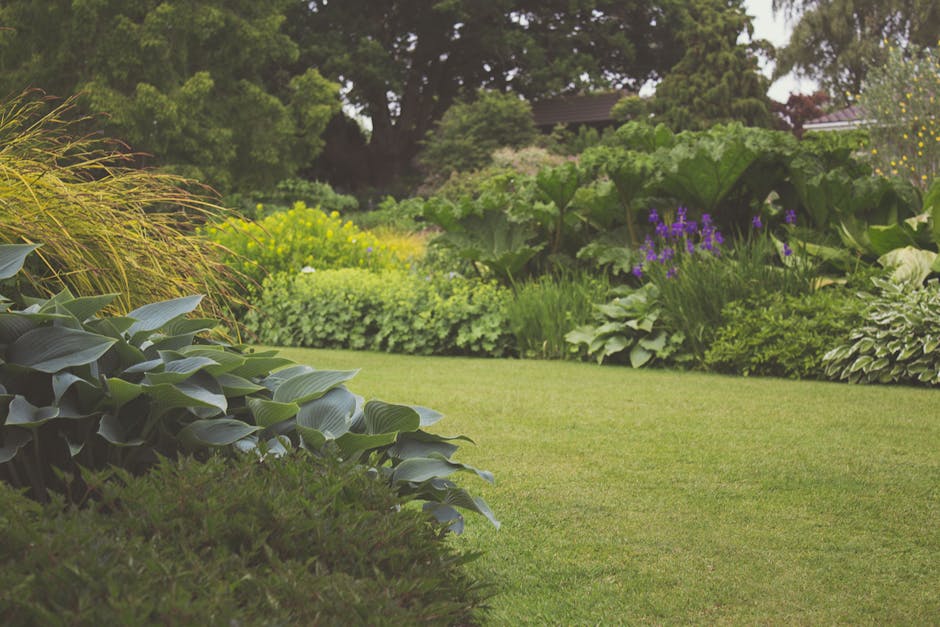
Totteridge gardeners near Barnet Market for mature gardens
If you are looking for Totteridge gardeners near Barnet Market for mature gardens, you are probably not after a quick tidy-up. Mature gardens need a steadier hand. They need pruning that respects old structure, planting that works under established trees, and maintenance that keeps everything looking calm rather than overworked. In this part of north London, where gardens often have character, shade, layered borders, and the occasional stubborn patch of clay, a good gardener makes a visible difference.
That is especially true if you are balancing appearance with practicality. Maybe the garden has been loved for years and now needs rejuvenating. Maybe you have inherited a space with mature shrubs, climbers, and ageing beds that still have real potential. Or maybe you simply want the job done properly without losing the charm that made the place special in the first place. Truth be told, that is where experienced local gardeners earn their keep.
This guide explains what mature garden care involves, how local gardeners typically approach it, what to watch for, and how to choose the right support for your garden near Barnet Market and Totteridge. You will also find a checklist, a comparison table, and practical FAQs to help you make a sensible decision.
Table of Contents
- Why Totteridge gardeners near Barnet Market for mature gardens Matters
- How Totteridge gardeners near Barnet Market for mature gardens Works
- Key Benefits and Practical Advantages
- Who This Is For and When It Makes Sense
- Step-by-Step Guidance
- Expert Tips for Better Results
- Common Mistakes to Avoid
- Tools, Resources and Recommendations
- Law, Compliance, Standards, or Best Practice
- Options, Methods, or Comparison Table
- Case Study or Real-World Example
- Practical Checklist
- Conclusion
- Frequently Asked Questions
Why Totteridge gardeners near Barnet Market for mature gardens Matters
Mature gardens are not the same as new builds or blank plots. They already have structure, history, and often a few surprises hiding in plain sight. Older trees may cast deep shade. Shrubs may have grown beyond their best shape. Roses might need more thoughtful pruning than a casual trim. Border plants may have become crowded, while the lawn may be patchy in places because roots, shade, or foot traffic have changed the conditions over time.
That is why local experience matters. A gardener who regularly works in Totteridge and the wider Barnet area will usually understand the rhythm of these gardens better than someone treating every plot as identical. They will recognise the difference between a plant that needs rejuvenation and one that simply needs leaving alone. Small distinction, big result.
Being near Barnet Market can also be useful in a very practical sense. It places you in a well-connected local area where gardens often reflect a mix of old landscaping, family use, and careful seasonal upkeep. You may want help before entertaining, after an overgrown spring, or as part of a longer-term maintenance schedule. A mature garden rarely needs one dramatic intervention. More often, it needs steady, intelligent care.
If you are also thinking about broader upkeep or a bigger redesign later, it can help to look at related services such as garden design and planting plans or the more routine side of garden maintenance. Sometimes the best result comes from combining both.
How Totteridge gardeners near Barnet Market for mature gardens Works
In practice, mature garden care usually starts with observation. Before anyone prunes, cuts back, or reshapes beds, they should look at the structure of the garden as a whole. Where does the light fall? Which plants are thriving? Which areas look tired because they are overcrowded, and which are sparse because roots or shade are competing for space?
A good gardener will normally work in stages. That might mean clearing debris first, then tackling pruning and deadheading, then shaping hedges or shrubs, and finally improving soil, mulch, or planting. It sounds simple written down, but the order matters. If you prune too hard too quickly, you can strip away the garden's character. If you add plants before sorting the soil, you are basically decorating a problem. Not ideal.
Near Barnet Market, where properties may have a mix of mature front gardens, side return spaces, and enclosed rear gardens, access can matter too. Narrow paths, old paving, established roots, and delicate edging all affect how work should be done. Good gardeners take time to move carefully, protect hard landscaping, and avoid that overenthusiastic "I'll just cut everything back" approach that leaves the place looking bare and a bit sad.
For readers who want ongoing support rather than one-off intervention, it is worth comparing services like lawn care and hedge trimming alongside broader garden maintenance. Mature gardens often need both, because the lawn and boundary planting tend to show age in different ways.
Key Benefits and Practical Advantages
Hiring gardeners who understand mature gardens brings a few real advantages. The first is restraint. Mature planting often looks best when it is refreshed, not overhauled. Skilled gardeners know how to clean up a space without flattening its personality.
The second is plant health. Established shrubs, climbers, and trees can suffer if pruning is done at the wrong time or with the wrong level of severity. A thoughtful gardener will protect the long-term health of the garden rather than chasing a quick visual effect.
The third is time savings. A mature garden can swallow weekends. Hedge edges, leaf fall, seasonal feeding, climbing plants, lifting and dividing perennials, deadwood removal, beds that need a bit of a reset... it all adds up. Before you know it, half a Saturday has gone and the compost heap looks more organised than the borders. Happens to the best of us.
Other benefits include:
- Better seasonal structure: flowers, foliage, and winter form are maintained rather than lost.
- Improved safety: loose branches, slippery paths, and obstructed sightlines can be addressed.
- More usable space: paths, seating areas, and borders are easier to enjoy.
- Higher kerb appeal: particularly important for front gardens near busy local routes.
- Less plant loss: careful timing reduces stress on established plants.
There is also the emotional side, which people do not always mention. A mature garden can feel like part of the home's memory. Keeping it healthy matters. It is not just about neatness.
Who This Is For and When It Makes Sense
This kind of gardening service is a strong fit for homeowners who want to preserve an established garden rather than start from scratch. It also suits people who have recently moved into a property with older planting and are not quite sure what should stay, what should go, and what simply needs a patient touch.
It makes sense if your garden has any of the following:
- mature shrubs or hedges that have become misshapen
- overcrowded borders with tired perennials
- large trees creating shade and leaf drop issues
- a lawn that has thinned under roots or seasonal stress
- climbers or roses that need careful training and pruning
- paths, patios, or beds that need edging and regular attention
It is also sensible if you host guests regularly, rent out a property, or simply do not have the time to stay on top of everything. Mature gardens can slip from "charming and established" to "slightly wild, but not in a good way" faster than people expect.
If you manage a larger property or need help keeping everything on a schedule, the service pages for garden clearance and seasonal garden maintenance can also be relevant. One-off clearance is one thing; keeping a mature garden healthy year-round is another.
Step-by-Step Guidance
If you are planning work on a mature garden, a sensible process keeps things under control. Here is the practical flow most experienced gardeners follow.
- Assess the garden properly. Look at structure, planting health, access, and any obvious hazards. This stage should include checking what is thriving and what is just hanging on.
- Decide what needs preserving. Mature gardens often contain old shrubs, specimen trees, climbers, or herbaceous plants worth keeping. Do not remove things just because they look untidy in one season.
- Clear dead or congested growth. Remove dead material, fallen leaves, and crossing stems so light and air can circulate.
- Prune with purpose. Shape plants according to their species and season. A thoughtful prune can bring a whole border back to life; a heavy-handed one can set it back for months.
- Improve soil and mulch. Mature planting often responds well to compost, well-rotted organic matter, and a decent mulch layer, especially after clearing the surface.
- Refresh planting where needed. Replace failed plants with varieties suited to shade, root competition, and the local conditions of the site.
- Set a maintenance rhythm. Agree a schedule for visits, pruning windows, lawn care, and seasonal clean-ups so the garden does not swing between neglect and overcorrection.
A simple example: if a border has become crowded under a mature birch tree, the answer is rarely "plant more". More often it is light thinning, soil improvement, and choosing plants that tolerate dry shade. That kind of judgement is exactly what separates a decent gardener from a very good one.
Expert Tips for Better Results
Experienced gardeners tend to be cautious in the best possible way. Mature gardens reward patience. They do not need drama.
Here are a few practical tips that make a real difference:
- Prune with the plant, not against it. Different shrubs and climbers have very different timing needs.
- Watch for hidden stress. Yellowing leaves, sparse growth, and brittle stems can point to root competition, compacted soil, or drainage issues.
- Use mulch strategically. It helps retain moisture and reduce weeds, but keep it away from trunks and stems.
- Prioritise structure. In mature gardens, strong lines often matter more than filling every empty spot.
- Keep some seasonal mess under control. A little leaf litter can be good in the right place, but not across paths or lawns.
- Plan around weather windows. A damp week in north London can change access, pruning conditions, and waste handling quickly. Best not to force it.
One thing people often overlook is visibility. Step back from the garden at different times of day. Morning light and late afternoon light reveal different problems. A bed that looks balanced at noon can feel lopsided by 5pm. Slightly annoying, yes. Useful, absolutely.
If you are considering longer-term improvements, a discussion with a professional about planting plans or tree and shrub care can help you make choices that last. Mature gardens are less forgiving of impulse buys from the garden centre, lets face it.
Common Mistakes to Avoid
Most garden problems in mature spaces come from doing too much, too fast, or at the wrong time. The garden may recover, but why make it work harder than necessary?
- Over-pruning shrubs and climbers. Some plants can take a hard cut, others really cannot.
- Removing established plants without a plan. A mature garden can feel hollow very quickly if specimen plants are lost.
- Ignoring soil condition. Tired borders often need feeding, mulching, or drainage improvements, not just fresh planting.
- Using a one-size-fits-all approach. Shade, aspect, root competition, and moisture all affect what will succeed.
- Letting weeds get entrenched. Mature beds can hide persistent weeds under dense growth until they become a bigger job.
- Forgetting ongoing maintenance. One clean-up is helpful, but without a schedule the garden soon drifts back.
A small, slightly embarrassing truth: many gardens that "look like a lot of work" are not actually ruined. They are just overdue for a sensible reset. That is often fixable. The main thing is not to panic and hack everything back on a sunny afternoon because you had a free hour. Tempting though it is.
Tools, Resources and Recommendations
For mature garden work, the right tools matter more than fancy tools. Clean, sharp, well-maintained equipment gives better cuts and reduces damage. You do not need a shed full of gadgets, just the essentials used properly.
| Tool or Resource | Best For | Why It Matters |
|---|---|---|
| Bypass secateurs | Small stems, deadheading, light pruning | Gives a cleaner cut and is kinder to living wood |
| Loppers | Thicker branches and awkward stems | Useful for controlled pruning without forcing cuts |
| Hedge trimmer | Formal hedges and regular shaping | Speeds up work, but needs careful use on older growth |
| Fork and spade | Soil conditioning, edging, lifting plants | Essential for border renewal and reshaping beds |
| Mulch or compost | Soil improvement and moisture retention | Supports tired borders and helps suppress weeds |
Resources can also include sensible service pages if you want support in stages rather than all at once. Many people find it useful to combine hedge trimming, lawn care, and garden clearance with ongoing maintenance. That tends to work better than trying to fix every issue in a single visit.
If your garden has heavy shade, established roots, or awkward corners, ask about plants and methods that suit low-light areas. Not every solution needs to be dramatic. Some of the best results in mature gardens come from restraint, patience, and planting the right thing in the right spot. Simple, but not easy.
Law, Compliance, Standards, or Best Practice
For most domestic gardens, the main concern is best practice rather than complex regulation. Even so, a professional gardener should work safely, protect property, and dispose of waste responsibly. If branches overhang boundaries, if there are protected trees, or if access is shared with neighbours, it is wise to proceed carefully and communicate clearly before cutting anything substantial.
In practical terms, good standards usually mean:
- using safe working methods with ladders, tools, and machinery
- checking for trip hazards, unstable paving, and hidden debris
- avoiding unnecessary damage to roots, bark, or hard landscaping
- handling garden waste responsibly and tidily
- being cautious around nesting birds, wildlife habitats, and sensitive planting
If a mature garden includes trees that may be subject to additional controls or conservation considerations, professional advice is sensible before major work begins. The exact position can depend on the property and local rules, so careful checking is better than assumptions. That bit saves headaches later.
For homeowners, the best practice is straightforward: keep records of work done, agree the scope clearly, and make sure the gardener understands which plants, features, or areas matter most to you. It is amazing how often a five-minute conversation prevents a costly misunderstanding.
Options, Methods, or Comparison Table
Not every mature garden needs the same level of help. Some need regular light maintenance. Others need a proper restorative phase first. The right choice depends on the state of the garden, your time, and how much change you want to see.
| Approach | Best For | Pros | Trade-Offs |
|---|---|---|---|
| Regular maintenance visits | Gardens already in reasonable shape | Keeps things tidy, prevents overgrowth, easier to budget | May not be enough for neglected areas |
| Seasonal tidy and cut-back | Gardens that need periodic resets | Good for spring and autumn work, flexible and practical | Can let issues build between visits |
| Restorative renovation | Overgrown or tired mature gardens | Brings structure and clarity back | Takes longer and needs careful planning |
| Specialist pruning and plant care | Gardens with specimen plants or older shrubs | Protects valuable planting and shape | May require more expert judgement |
For many Totteridge homes near Barnet Market, a blend works best: regular upkeep, plus targeted restorative work once or twice a year. That keeps the garden elegant without making it feel overmanaged.
Case Study or Real-World Example
Imagine a typical mature rear garden in the area: a shaded lawn, three established shrubs near the fence, a rose climber that has wandered a bit too freely, and borders packed with a mix of old and newer plants. The space looks full, but not especially balanced. The path is clear enough, though there are a few corners where weeds have taken advantage of the shadows.
A sensible gardener would not arrive and clear everything down to the bone. Instead, they would start by removing dead material, cutting back only what is needed, and identifying which shrubs are still doing a good job of holding the garden together. The rose might be retrained and lightly pruned. The lawn edges might be restored. The border could be thinned, mulched, and replanted in the emptier sections with shade-tolerant choices.
A few weeks later, the difference is usually noticeable in a quiet way. The garden feels easier to move through. Light reaches deeper into the borders. You can actually see the shape of the space again. Not flashy. Just better. And in a mature garden, better is often exactly what you wanted all along.
If the project needs a broader refresh, it may be worth pairing it with a more structured service such as garden design and planting plans or a one-off garden maintenance visit to get everything back into rhythm.
Practical Checklist
Use this checklist before booking or beginning work on a mature garden:
- Identify which plants, shrubs, or trees are valuable and should be preserved.
- Note any areas with heavy shade, poor drainage, or compacted soil.
- Check whether the garden needs tidying, pruning, or a bigger restorative reset.
- Decide whether you want one-off help or ongoing maintenance.
- List any priorities: front-garden presentation, privacy, lawn health, border renewal, or access.
- Ask how waste will be removed and how the site will be left after the job.
- Confirm that pruning will be timed appropriately for the plants involved.
- Make sure any delicate features, lighting, paving, or wildlife areas are respected.
- Discuss your preferred level of intervention. Light touch or full refresh?
- Set a follow-up plan so the garden does not drift again.
Expert summary: the best mature garden care is thoughtful, seasonal, and selective. The goal is not to make every corner look newly built; it is to keep the garden healthy, balanced, and quietly impressive.
Get a free quote today and see how much you can save.
Conclusion
Totteridge gardeners near Barnet Market for mature gardens are most valuable when they understand that older gardens need judgement as much as labour. These spaces often have the bones of something lovely already in place. The job is to reveal it, protect it, and keep it moving forward without stripping away its character.
Whether you need careful pruning, border recovery, lawn support, or a regular maintenance plan, the right approach is usually calm, consistent, and tailored to the site. That is what keeps a mature garden looking lived-in, not neglected. And, honestly, that is the sweet spot.
If you take one thing away, let it be this: a mature garden is rarely beyond help. It just needs the right kind of help.
Frequently Asked Questions
What makes mature gardens different from standard gardens?
Mature gardens usually have established shrubs, trees, deeper shade, layered planting, and more complex root systems. They need more careful pruning and planning than newer gardens, because small mistakes are more likely to affect the structure or long-term health of the space.
How often should a mature garden be maintained?
That depends on the planting and how much use the garden gets. Many mature gardens benefit from regular visits through the growing season, with slightly heavier seasonal work in spring and autumn. Some need monthly care, while others only need targeted visits a few times a year.
Can an overgrown mature garden be restored without losing its character?
Yes, usually. The key is selective work rather than a blanket cut-back. Good gardeners keep the strongest plants, reshape what is overgrown, and restore balance gradually. That way the garden still feels like itself afterwards.
Is it better to prune mature shrubs hard or lightly?
It depends on the species. Some shrubs tolerate harder pruning, while others need a lighter touch. This is one of those areas where guesswork can be expensive, so it is worth using someone who knows plant behaviour rather than just going by appearance.
What should I ask before hiring a gardener for a mature garden?
Ask about experience with older planting, pruning knowledge, waste removal, maintenance schedules, and whether they will preserve key plants and features. It also helps to ask how they approach shaded areas, lawns, and any hard landscaping near the beds.
Do mature gardens need different plants?
Often, yes. Older gardens may have more shade, root competition, or drier soil near trees and hedges. That means plant choice should be based on the actual site conditions, not just what looks good in the shop. A realistic plant choice saves a lot of disappointment.
What if my lawn is thin because of trees and shade?
That is a common issue in mature gardens. Sometimes the answer is improved lawn care, but in deeper shade it may be better to reduce lawn area or replace weak sections with ground cover or planting that suits those conditions more naturally.
Can gardeners work around wildlife in a mature garden?
They should. Good practice means checking carefully before major clearance, being aware of nesting birds and habitat areas, and avoiding unnecessary disturbance. A mature garden often supports more wildlife than people realise, even when it looks tidy.
How do I know if my garden needs restoration rather than routine maintenance?
If borders are overcrowded, shrubs are misshapen, paths are being swallowed, or the space feels difficult to use, restoration may be the better first step. If the garden is already broadly healthy but just needs regular attention, maintenance is enough.
Are there any local considerations for gardens near Barnet Market and Totteridge?
Local considerations often include access, neighbour boundaries, mature planting, shade from established trees, and the pace of seasonal growth in north London gardens. The practical details vary from property to property, so a site visit or clear briefing makes a real difference.
How do I keep a mature garden looking good between visits?
Focus on small, regular actions: remove obvious weeds, deadhead flowers, sweep paths, water newly planted areas when needed, and avoid letting hedges or borders drift too far before the next professional visit. Little and often usually works best.
What is the biggest mistake people make with mature gardens?
The biggest mistake is often overdoing it. People see a tired-looking garden and assume it needs everything cut back hard. In reality, mature gardens usually respond better to careful editing, not a full reset unless that has genuinely been agreed as the plan.