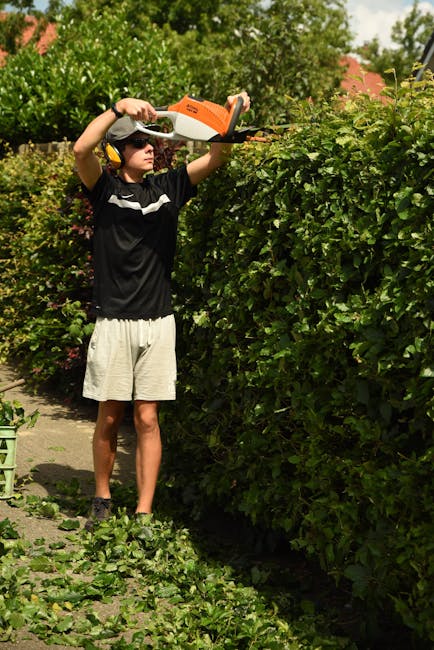
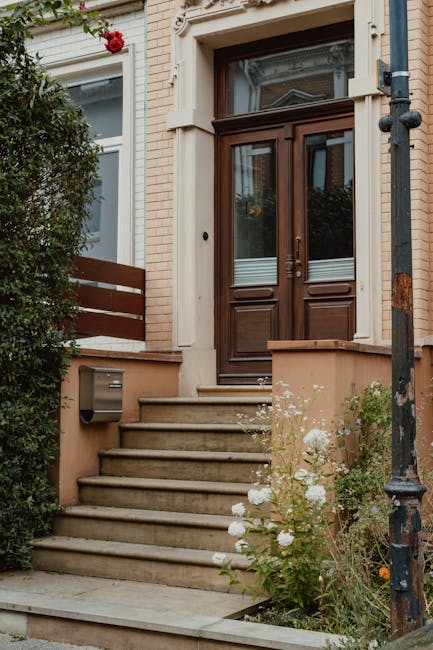
Whetstone N20 gardeners for small front garden makeovers
Small front gardens can be surprisingly hard to get right. They are the first thing people see, but they are also the easiest space to neglect when life gets busy. A patch of tired turf, a narrow path, a wonky hedge, and a couple of pots that have seen better days can make an entrance feel smaller than it really is. That is where Whetstone N20 gardeners for small front garden makeovers come in.
If you live in Whetstone or the wider N20 area, you may already know the challenge: limited space, busy roads, awkward shade, and not much room for error. The good news is that a front garden does not need to be large to look polished. With the right planning, planting, edging, and maintenance approach, a compact space can feel welcoming, balanced, and easy to keep tidy all year round.
In this guide, you will find a practical, local-focused look at how small front garden makeovers work, what to expect from a good gardener, and how to decide whether a light refresh or a more involved redesign is the right move. We will also cover common mistakes, best-practice choices, and the kind of details that make a neat front garden feel genuinely finished, not just "done".
Table of Contents
- Why Whetstone N20 gardeners for small front garden makeovers Matters
- How Whetstone N20 gardeners for small front garden makeovers Works
- Key Benefits and Practical Advantages
- Who This Is For and When It Makes Sense
- Step-by-Step Guidance
- Expert Tips for Better Results
- Common Mistakes to Avoid
- Tools, Resources and Recommendations
- Law, Compliance, Standards, or Best Practice
- Options, Methods, or Comparison Table
- Case Study or Real-World Example
- Practical Checklist
- Conclusion
- Frequently Asked Questions
Why Whetstone N20 gardeners for small front garden makeovers Matters
A front garden is not just decoration. It frames the home, guides visitors, softens hard boundaries, and sets the tone before anyone reaches the front door. In a place like Whetstone, where homes often sit close to pavements and street views matter, a well-kept entrance can make a real difference to how a property feels day to day.
Small gardens need careful design, not more stuff. That sounds obvious, but it is where many makeovers go wrong. People add too many plants, too many colours, or too many features and end up with a space that looks cramped rather than calm. Good gardeners understand scale. They think about proportions, access, drainage, sunlight, and how the garden will look in January, not just in a sunny June photo.
There is also the practical side. A small front garden often needs to handle foot traffic, bins, parcels, pets, and the realities of North London weather. Damp shade, compaction, leaf fall, and patchy soil are common. If the space is being redesigned properly, those day-to-day issues are considered from the start. That is the bit many people miss.
If you want a service overview before going deeper, it helps to see the broader range of work a local team may offer through their gardening services overview. That gives context beyond a one-off tidy-up.
Truth be told, a front garden makeover is often less about drama and more about balance. A tidy edge here, a clearer path there, a planting scheme that behaves itself, and suddenly the whole frontage feels calmer. And yes, that calmer look tends to age better too.
How Whetstone N20 gardeners for small front garden makeovers Works
The process usually starts with a simple conversation about what is already there and what you want the space to do. Do you want lower maintenance? Better kerb appeal? A more welcoming entrance? More planting, less planting, or something in between? The answer shapes everything else.
A good gardener will usually assess a few key points:
- How much sunlight the front garden gets across the day
- Whether the soil drains well or stays damp
- How much space is needed for access, doors, bins, and parking
- What existing features are worth keeping
- Which plants will actually thrive, not just look nice in a brochure
From there, the work may include clearing overgrowth, reshaping borders, improving soil, adding mulch, installing edging, replacing worn turf, and planting compact shrubs or perennials that suit the scale of the space. In some cases, simple hard landscaping can make the biggest difference: a better path layout, a cleaner finish around the boundaries, or a neater transition between front garden and driveway.
Small front garden makeovers are often staged rather than completed in one dramatic sweep. That is sensible. A phased approach can help spread cost, reduce disruption, and give you time to see how the space behaves. A sunny border in summer can reveal a shady corner problem in autumn, and a good plan leaves room for that sort of adjustment.
If you are thinking about quotes, it is worth comparing what is included, not just the headline figure. Some providers offer a more detailed estimate through their pricing and quotes information, which is useful when you are weighing a refresh against a fuller redesign.
One small but useful detail: the best makeovers usually start with restraint. Not every empty patch needs filling. Not every wall needs a feature. Sometimes a cleaner layout, fewer species, and a more confident edge do the job beautifully.
Key Benefits and Practical Advantages
A well-planned makeover does more than make the garden look nice. It improves how the home functions and how it feels to come back to it after a long day, keys in hand, bags in the other, hoping the path is not cluttered with trailing plants or awkward steps. Little things matter.
Here are the main benefits people usually notice:
- Better kerb appeal: The front of the house looks cared for, which can lift the whole property's presentation.
- Lower maintenance: A simpler layout with appropriate planting is easier to keep under control.
- Improved access: Clear routes, smarter edging, and less congestion make the space easier to use.
- More year-round structure: Evergreen shapes, mulch, and well-chosen features keep the garden looking tidy even in winter.
- Smarter use of space: Small gardens can do more than people expect when they are planned properly.
There is also a subtle but real emotional benefit. A front garden that feels neat and intentional tends to make the whole home feel more settled. Not flashy. Just looked after. That matters more than people admit.
For homeowners who prefer a lighter maintenance relationship, a makeover can also reduce the frequency of urgent tidy-ups. Instead of fighting the garden every fortnight, you end up with a space that behaves. Which, let's face it, is the dream for a lot of us.
If the work involves ongoing upkeep after the makeover, you may want to explore how a local team structures recurring visits and broader site care through the main home page, especially if you are considering a regular garden maintenance arrangement.
Who This Is For and When It Makes Sense
Small front garden makeovers are not just for people planning to sell. In fact, many of the best projects happen because the owners simply want the front of the house to feel more welcoming every single day.
This kind of work makes sense if you are:
- Fed up with an overgrown or patchy front garden
- Looking for a cleaner, lower-maintenance layout
- Wanting to improve the first impression of your property
- Dealing with awkward shade, poor drainage, or compacted soil
- Trying to make a small space feel more purposeful
- Preparing a property for sale or rent and want it to present well
It also suits people who have tried to DIY the space a few times and found that the garden keeps slipping back into the same messy pattern. That is usually a sign the structure is wrong, not that you are bad at gardening. There is a difference.
Families often need better access and fewer trip hazards. Older homeowners may want a simpler, safer entrance with clear footing and less bending. Landlords and property managers, on the other hand, often want reliable presentation without constant intervention. Different needs, same principle: a small front garden should work hard without becoming a burden.
Sometimes the timing is obvious. A harsh winter has thinned the planting. A previous hedge has outgrown its shape. Or you step outside in early spring and think, "Right, this really needs sorting." That moment is common. Very common.
Step-by-Step Guidance
A sensible makeover follows a clear sequence. Skipping steps usually costs more later, even if it feels quicker in the moment.
- Assess the existing space. Look at light, soil, drainage, access, and the features you want to keep.
- Define the goal. Decide whether the aim is low maintenance, better visual impact, improved access, or all three.
- Clear and tidy. Remove dead growth, weeds, debris, and any tired features that no longer fit the plan.
- Improve the ground. Small beds often need soil improvement, fresh mulch, or better edging to hold shape.
- Choose a limited plant palette. Repeating a few good plants looks more confident than cramming in too many varieties.
- Install structure first. Paths, edges, borders, and focal points should be in place before planting goes in.
- Plant with maturity in mind. Always allow for how shrubs and perennials will grow, not just how they look on day one.
- Finish with maintenance planning. Know what needs pruning, deadheading, or seasonal checking.
A helpful way to think about it: structure first, plants second, detail last. If the structure is sound, the rest is much easier.
For some homes, a quick refresh may be enough. For others, the front garden needs a more considered rebuild. The right choice depends on the current condition, not on what sounds dramatic in a quote. A clear, honest assessment saves a lot of faffing about later.
Expert Tips for Better Results
Below are the practical habits that usually separate an okay front garden from one that quietly looks expensive, even when it is not. No magic. Just good decisions.
- Keep planting restrained. In a small space, repetition is your friend. Three or four well-matched plants often beat ten different ones.
- Use edging to sharpen the layout. A crisp border line can instantly make a front garden feel cared for.
- Think about views from inside the house too. You will see the garden from the hallway, front window, or porch every day. Make that view count.
- Choose plants that match the conditions. Shade-loving plants in shade. Tougher varieties near pavements or dry strips. No point pretending otherwise.
- Leave breathing room. Plants need space to grow. So do people.
- Use evergreen structure carefully. One or two good evergreen elements can hold the design through winter without making it stiff.
A small trick that works well in many N20 front gardens is to create one clear focal point near the entrance. It might be a neat specimen shrub, a pair of matching pots, or a clipped shape that draws the eye. Just one. Not five. We are not opening a garden centre.
If sustainability matters to you, it is worth asking how waste, offcuts, and removed material are handled. Some providers are more deliberate about reuse and disposal, and that can be checked through a recycling and sustainability approach. It is a small detail that reflects well on the whole job.
And one more thing: do not chase perfection on day one. Gardens settle. Soil moves. Plants adjust. The best results usually come after a little time and one or two careful tweaks.
Common Mistakes to Avoid
Small front gardens are unforgiving of clutter. The mistakes are often simple, but they show immediately from the street.
- Overplanting: Too many species or too much colour can make the space feel crowded.
- Ignoring scale: Large plants in a tiny bed can overwhelm the frontage fast.
- Choosing the wrong maintenance level: If you do not want weekly attention, avoid high-demand planting schemes.
- Forgetting drainage: Wet patches and muddy paths quickly spoil the look and function of the garden.
- Leaving weak edges: Loose edging and untidy borders make even a nice design look unfinished.
- Not planning for winter: A garden that only looks good in summer is not a full solution.
Another mistake is copying a style from a much larger property. What works in a wide suburban frontage can look awkward in a narrow Whetstone plot. The proportions are different. The traffic flow is different. Even the light can be different by a few feet, which sounds minor until a plant sulks for six months.
There is also a commercial mistake to avoid if you are comparing services: choosing only by the lowest quote. That can lead to vague scope, missed detail, or a finish that needs redoing. It is better to understand what is included, how the work is sequenced, and what happens if the site throws up surprises.
Tools, Resources and Recommendations
For a small front garden makeover, the right tools matter, but overcomplicating the toolkit does not. Good results usually come from a sensible mix of hand tools, basic power tools where needed, and a clear plan.
| Tool or resource | What it helps with | Why it matters in a small front garden |
|---|---|---|
| Sharp hand tools | Pruning, tidying, edging | Small spaces need precision, not brute force |
| Spade and border fork | Soil improvement and reworking beds | Useful for compact plots with tired ground |
| Secateurs and loppers | Trimming shrubs and removing dead growth | Keeps the frontage neat without damaging plants |
| Edging tools | Creating clean lines | Sharp edges make a small garden look intentional |
| Mulch or top dressing | Moisture retention and weed suppression | Reduces maintenance and improves finish |
Resource-wise, it helps to use a provider who is clear about scope, payment, and what happens after the work is completed. If that sort of reassurance matters to you, you may want to review the company's payment and security information before booking.
It is also sensible to understand how the team manages access and visitor needs if your household includes mobility concerns, older relatives, or a more complex frontage. A clear accessibility statement can be a useful sign that a business thinks carefully about real-world use, not just presentation.
Finally, if the makeover leads to regular upkeep, look for a team that offers support beyond a one-off visit. A front garden tends to stay attractive when the maintenance plan is simple enough to follow. That is the whole trick, really.
Law, Compliance, Standards, or Best Practice
Front garden work is usually straightforward, but there are still sensible standards and responsibilities to keep in mind. If a gardener is cutting, lifting, using power equipment, or working near paths and boundaries, they should follow sound health and safety practices. That includes checking the site, using tools properly, handling waste safely, and keeping the work area reasonably clear.
If trees, hedges, or shared boundaries are involved, there may be property, neighbour, or local authority considerations. It is wise to confirm ownership and speak politely before altering anything that touches a boundary line. That sounds obvious, yet boundary misunderstandings are a classic source of hassle.
For businesses providing the work, insurance and safe working practices matter. Homeowners should feel comfortable asking whether a provider has suitable cover and follows recognised safety standards. You are not being awkward by asking. You are being sensible.
You may also want to check whether the business publishes clear policies on safety, complaints, and operational standards. For example, reviewing a provider's health and safety policy and insurance and safety information can help you understand how they work.
If a job involves green waste removal, good disposal practice is part of best practice too. Composting, recycling where possible, and responsible disposal all help keep the project tidy from start to finish. Not glamorous, perhaps, but important.
One more trust point: if you are ever unsure how feedback or service issues are handled, it is reasonable to review the company's complaints procedure. Clear communication usually says a lot about how a business operates.
Options, Methods, or Comparison Table
Not every small front garden needs the same level of intervention. In practice, most makeovers fall into one of three approaches. The right option depends on condition, budget, and how much change you want to see.
| Approach | Best for | Typical focus | Trade-off |
|---|---|---|---|
| Light refresh | Reasonably tidy gardens needing polish | Weeding, pruning, edging, mulch, container update | Limited structural change |
| Mid-level makeover | Front gardens needing a clearer layout | Reworked borders, improved planting, path tidying, soft redesign | More time and planning required |
| Full redesign | Overgrown, awkward, or poorly functioning spaces | Ground preparation, new edging, structural planting, possible hard landscaping | Higher cost and more disruption |
If you are not sure where your garden sits, the safest answer is to ask for an assessment before deciding. A lot of people assume they need a full transformation when a more modest reset would actually deliver the result they want. On the other hand, some front gardens hide deeper issues under the surface, such as compacted soil or poor drainage, and those do need proper attention.
That is why the best gardeners do not just "tidy". They diagnose.
Case Study or Real-World Example
Here is a realistic example from the sort of project many Whetstone homeowners ask about. A compact front garden had patchy turf, a narrow border with tired shrubs, and a path that looked slightly lost because the planting had crept too far across it. The entrance was fine, but it did not feel inviting. More like a waiting area for bad weather.
The makeover began with clearing dead growth and re-establishing the edges. The shrub bed was simplified rather than expanded. A couple of plants that were crowding the window were removed, and the remaining bed was reworked with better spacing and mulch. The path was cleaned up, and the front layout was made visually simpler by repeating fewer plant shapes.
The biggest change was not dramatic. It was disciplined. Cleaner lines. Fewer distractions. A better sense of order.
After the work, the house looked more open from the street and easier to approach from the pavement. The owner also found the space quicker to maintain because there was less random growth to chase each month. That tends to be the pattern. A good small makeover saves time as well as improving appearance.
And yes, neighbours notice. They always do, even when nobody says much. A quick glance, a nod, maybe a "looks lovely now" from over the fence. Happens all the time.
Practical Checklist
Before booking a makeover, use this checklist to clarify what you actually need.
- Have you decided whether the goal is low maintenance, better kerb appeal, or both?
- Do you know which parts of the garden should stay and which should go?
- Have you checked how much light the front garden gets?
- Is drainage an issue after rain?
- Do you need easy access for bins, prams, or mobility support?
- Would you prefer planting, hard landscaping, or a mix of both?
- Are you happy with seasonal colour, or do you want year-round structure?
- Have you looked at pricing, scope, and payment details?
- Do you want a one-off makeover or ongoing maintenance afterwards?
- Have you checked the provider's approach to safety, insurance, and waste handling?
If you can answer most of those, you are already ahead of the game. Seriously. Plenty of projects go wrong simply because the brief was vague from the start.
Conclusion
Small front garden makeovers are one of the smartest improvements you can make to a home in Whetstone N20. They do not need to be grand to be effective. In fact, the best ones often rely on restraint, good structure, and plant choices that suit the space rather than fight it.
With the right gardener, a compact frontage can become neat, practical, and quietly attractive throughout the year. The key is to plan for real life: damp mornings, winter months, daily foot traffic, and the simple desire to come home to a space that looks cared for. Not perfect. Just right.
If you are comparing options, start with a clear brief, ask sensible questions, and choose a team that values both presentation and practicality. That way, the garden works for you instead of becoming another thing on the list.
Get a free quote today and see how much you can save.
Sometimes the smallest entrance change makes the whole house feel more welcoming. And that is a lovely thing to get right.
Frequently Asked Questions
What do Whetstone N20 gardeners for small front garden makeovers usually include?
Most projects include clearing, pruning, edging, weeding, soil improvement, planting, and tidying of paths or borders. Some also include light landscaping or design changes if the layout needs it.
How much work is needed for a small front garden makeover?
It depends on the current condition and the result you want. A tidy but tired garden may only need a refresh, while an overgrown space may need a more structured redesign. The best approach starts with an assessment.
Are small front garden makeovers worth it if I am not selling my home?
Yes. Many people do it for everyday enjoyment, easier maintenance, and a better first impression. You do not need a sale on the horizon to want a front garden that feels neat and welcoming.
What makes a small front garden look bigger?
Clean lines, simple planting, good spacing, and a limited colour palette usually help. Clutter tends to shrink the space visually, while clear structure makes it feel more open.
How do I keep a front garden low maintenance after the makeover?
Choose plants that suit the site, avoid overcrowding, add mulch, and keep the layout simple. A low-maintenance design is usually about reducing complexity rather than removing all planting.
Do I need hard landscaping for a front garden makeover?
Not always. Some front gardens improve dramatically through planting and tidying alone. Hard landscaping is useful if the path, edging, or access needs more serious attention.
Can gardeners work around awkward shade or poor soil in Whetstone?
Yes, provided the planting plan suits the conditions. Shade-tolerant plants, soil improvement, and smart placement can all help. The key is matching the design to the site instead of forcing the opposite.
How do I compare quotes for a small front garden makeover?
Look at what is included, how the work is phased, whether waste removal is covered, and what aftercare is offered. The lowest quote is not always the best value if the scope is vague.
What should I ask before booking a gardener?
Ask about experience with small spaces, insurance, safety practices, payment terms, and what happens if additional work is needed once the garden is opened up. Clear answers are a good sign.
How long does a small front garden makeover take?
That varies a lot depending on the scale of the job. A light refresh may be done quickly, while a more detailed redesign can take longer. Weather, access, and the condition of the garden all affect timing.
Is sustainability important in front garden design?
It can be. Reusing materials where sensible, choosing appropriate plants, and handling green waste responsibly all make the project more environmentally considerate. Small choices add up.
What if I have neighbours close by or a shared boundary?
It is wise to check boundary lines and communicate clearly before making any major changes near fences, hedges, or shared features. Good gardening is respectful as well as tidy.